State Museum of Toys: What Several Generations of Ukrainians Played With
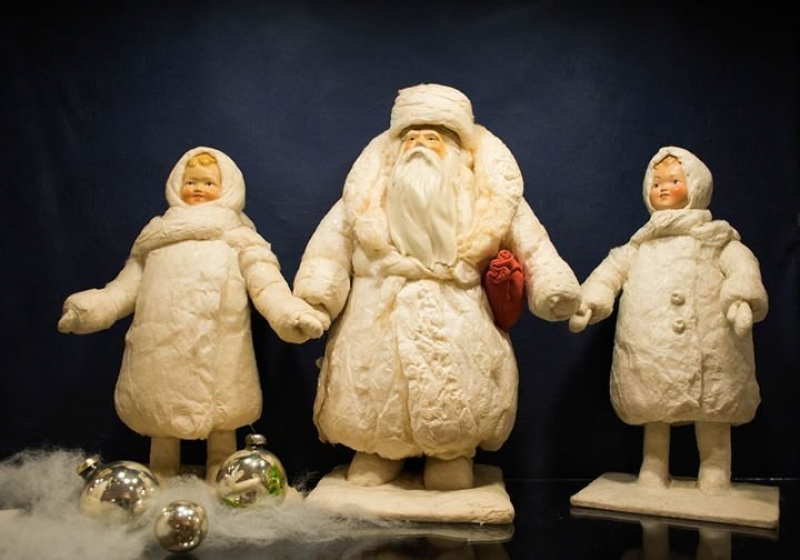
At the State Museum of Toys, it’s easy to turn a family visit into a game of recognition: parents may come across dolls, toy cars, or board games they remember from childhood, while children can compare them with their modern counterparts.
The collection comprises more than 15,000 items in total, around 2,000 of which are displayed in three exhibition halls. They include mass-produced toys from the 1930s–1990s, works by individual artists, traditional Ukrainian toys, and board and printed games.
The permanent exhibition is updated at least twice a year, so some of the familiar exhibits may be different on your next visit.
Address: 8 Klovskyi Uzviz
Cost: check with the museum
Mystetskyi Arsenal: Take an Exhibition Quest
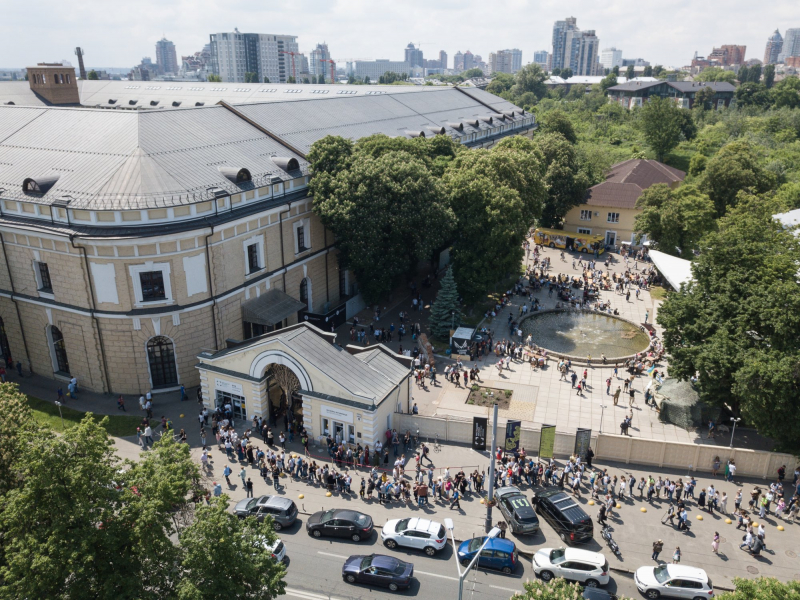
At the Arsenal, children don’t have to simply follow adults from one artwork to another. Visitors aged 6–12 can take part in exhibition quests, while children aged 3–6 and their parents can borrow a “Family Bag” containing books, creative materials, and activities that encourage them to explore the exhibition.
For teenagers, the program depends on the particular exhibition project: it may include workshops, museum readings, art therapy sessions, or quest tours. It’s therefore best to check the current schedule before your visit to see what’s happening that day.
The “Shimmering Connections. Ukrainian Painting at the Turn of the 90s and Today” exhibition runs at the Arsenal through August 30. On September 25–27, the venue will host “Arsenal of Ideas” — a festival for families with children and teenagers.
Address: 28–30 Ivan Mazepa St.
Cost: tickets to the current exhibition start at UAH 200
Museum of Books and Printing: Early Printed Books, Presses, and Workshops
Museum of books and typography of Ukraine
Building 11, 9 Lavrska St., Kyiv
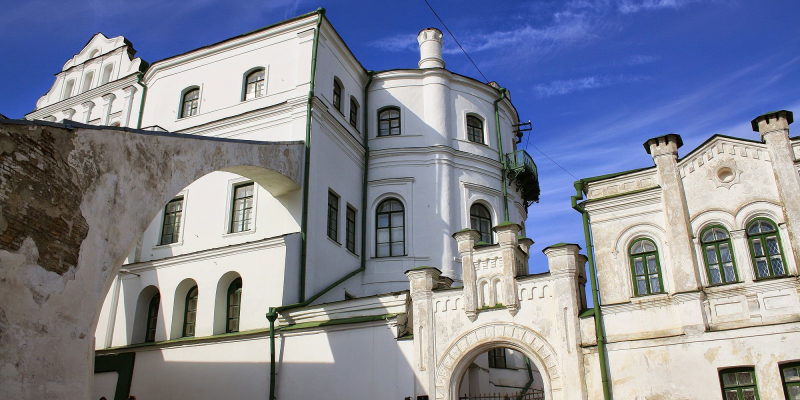
What did books look like before modern printing presses appeared, and how much work went into producing each copy? At the museum, you can trace this history from handwritten books to old printing presses dating from the 16th–20th centuries.
The exhibits include the Lviv “Apostle” from 1574, the Ostroh Bible from 1581, and the Pechersk Patericon from 1661. A regular visit can be complemented by an interactive tour or workshop — check the museum’s current program for specific topics.
Every Sunday, schoolchildren and students can visit the museum free of charge, while the last Sunday of each month is a free-admission day for everyone.
Address: 9 Lavrska St., Buildings 9–10
Cost: adult ticket — UAH 100; schoolchildren — UAH 50; family ticket for three people — UAH 150, for four — UAH 200. Interactive tours with workshop elements — UAH 70–150 per person; museum workshops — UAH 50–100 per person
“Kyiv Fortress”: Inside the Old Fortifications
Kyiv Fortress. National Historical and Architectural Museum
вулиця Госпітальна, 24А, Київ
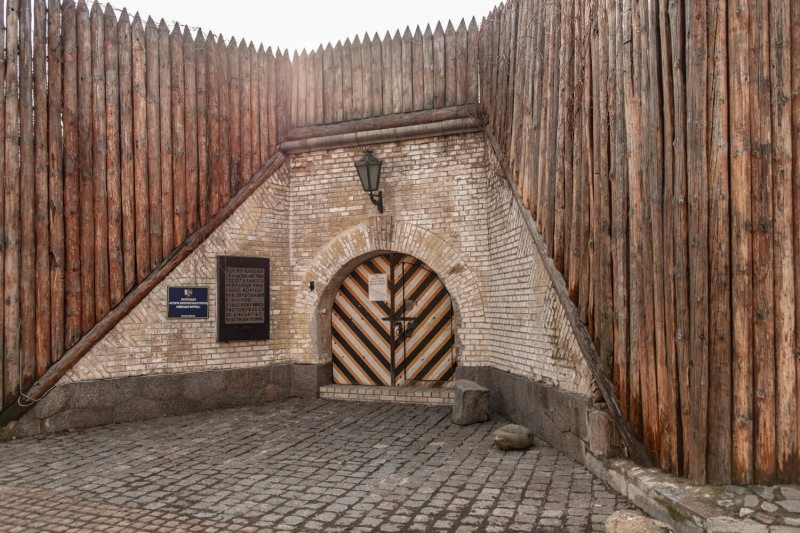
At the “Kyiv Fortress,” the building itself becomes part of the museum route. The exhibitions are housed in the structures of the Hospital Fortification, with caponiers, casemates, and thick defensive walls, so the history of fortification can literally be explored from the inside.
For children, the museum has developed quests, games, and activity sheets. These include a route for children aged 9–12 and a “Game Guide” for visitors aged 12 and older. However, due to wartime restrictions, it is advisable to confirm the availability of these formats when booking.
During martial law, visitors are not allowed to explore the museum grounds independently, and tickets to the exhibitions are sold only as part of a guided visit. It’s therefore best to plan a trip to the fortress in advance.
Address: 24-A Hospitalna St.; entrance from Lesi Ukrainky Boulevard, between buildings No. 12 and 14
Cost: combined ticket — UAH 150, discounted — UAH 75; one exhibition — UAH 100 and UAH 50 respectively. A guided tour of one exhibition for a group of up to 15 people — UAH 200; two exhibitions — UAH 300
War Museum: Quests and a Chance to Step Inside a Helicopter
National Museum of the History of Ukraine in the Second World War
27 Lavrskaya street
You can explore the military equipment here from the inside, not just from the outside. The museum opens a Li-2 aircraft, a MiG-23 fighter jet, and an Mi-24 helicopter to visitors — a separate ticket is required to enter each one.
The museum also runs the “Children at the Museum” program. Throughout 2026, it has hosted quests and interactive games involving searches for clues among the exhibits, as well as creative workshops — for example, on creating vytynanky, traditional Ukrainian paper cutouts.
These programs take place only on certain dates, so it’s worth checking the museum’s current schedule before your visit.
Address: 27 Lavrska St.
Cost: the main exhibitions in the Main Building — UAH 100 for adults and UAH 50 for schoolchildren; preschoolers — free. Entry inside the Li-2, MiG-23, or Mi-24 — UAH 50 each
INVENTOR STEM School: Math and Technology with LEGO
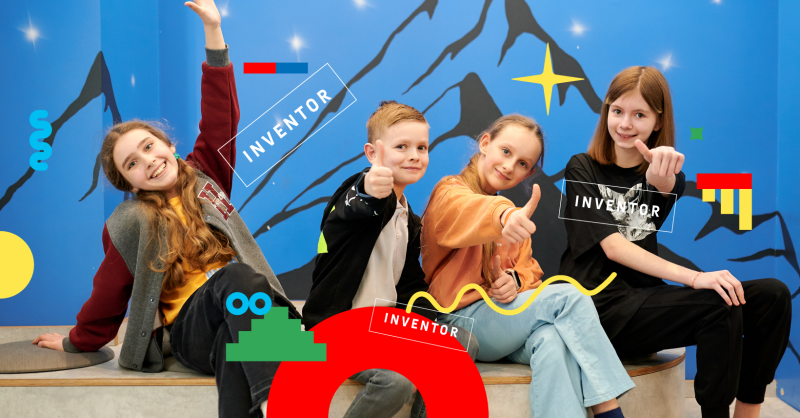
At INVENTOR, LEGO is used for more than just building. Children solve math problems with it, learn how mechanisms work, and build and program their own models in robotics courses.
The branch on Staronavodnytska Street has a STEM preschool for children aged 4–6, with classes in math, literacy, English, and construction. For students in grades 1–4, there is an after-school program that combines homework with LEGO math, financial literacy, and creative activities.
INVENTOR also offers robotics and programming courses for schoolchildren of different ages.
Address: 4-V Staronavodnytska St.
Cost: depends on the course; check the current price when registering
Sport Life Pechersk: Swimming and Workouts for Kids
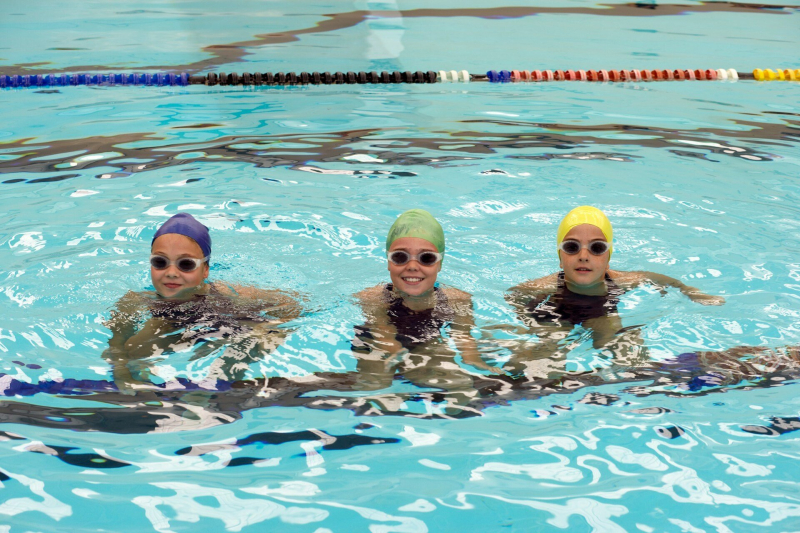
For the youngest children, getting acquainted with the water can begin in a separate baby pool. The club also has a 25-meter, four-lane swimming pool, although the format of classes for older children and whether they can use this pool should be confirmed before booking.
Outside the pool, the club offers children’s fitness classes focused on strength, coordination, and flexibility. The specific range of classes and schedule may change, so it’s best to check the current program at the Pechersk club before purchasing a membership.
Address: 59 Zvirynetska St., “Triumf” residential complex
Cost: depends on the membership and selected program
Children’s Loft “Shylopop”: A Birthday Party Without Strangers
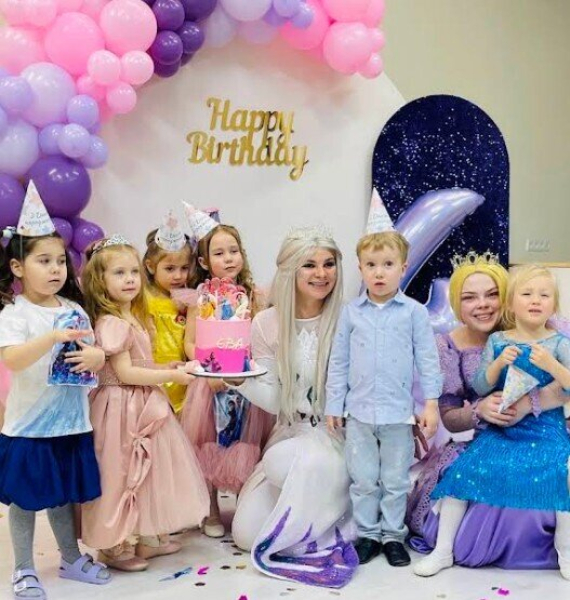
At “Shylopop,” you won’t have to share the play area with other visitors: the entire loft is closed to one group for the duration of the celebration. It is designed for children up to seven years old, with a comfortable capacity of up to 12 children and 18 adults.
Inside, there is a play area, separate banquet areas for children and adults, and a photo zone. You can add an entertainment program, an interactive show, or a creative workshop to the celebration. There are also special programs for the youngest children, starting from one year old.
Address: 44-A Yevhena Konovaltsia St.
Cost: rental — UAH 2,500/hour on weekdays and UAH 2,800/hour on weekends, with a three-hour minimum. Baby package — from UAH 12,300 on weekdays; three-hour celebration packages — from UAH 16,200
Hryshko National Botanical Garden: Choose Your Own Route Through the Greenery
The botanical garden covers almost 130 hectares, so there’s no need to try to explore it all with a child in a single visit. Instead, you can choose a different part for each outing: in spring, head to the Magnolia and Lilac Gardens; during the warmer months, visit the Rose Garden or other collection areas.
The routes pass through different parts of the garden, with uphill and downhill sections and long avenues, making it easy to spend several hours outdoors. The greenhouse complex, however, will have to wait: it is closed for technical work until September 1, 2026.
Address: 1 Sadovo-Botanichna St.
Cost: adults and students — UAH 150, schoolchildren — UAH 100, children under six — free. Once the greenhouse complex reopens, a separate ticket will cost UAH 100
Spivoche Pole: Ten Giant Flower Cats
Ten flower cats have taken over Spivoche Pole through September 20. The large-scale compositions were created from tens of thousands of seasonal flowers for the “Purring Ukraine” exhibition, which opened on August 21 for Independence Day.
Each cat has its own story connected with Ukraine, its traditions, and its character. Photo zones and outdoor seating areas have been set up around the installations.
Address: 31 Lavrska St.
Cost: from UAH 250; children under three — free
And if next time you’re looking for more activity and fewer museums, you can head to Troieshchyna. There, we’ve put together 9 places for kids’ entertainment with trampolines, a swimming pool, creative activities, and walks by the water.